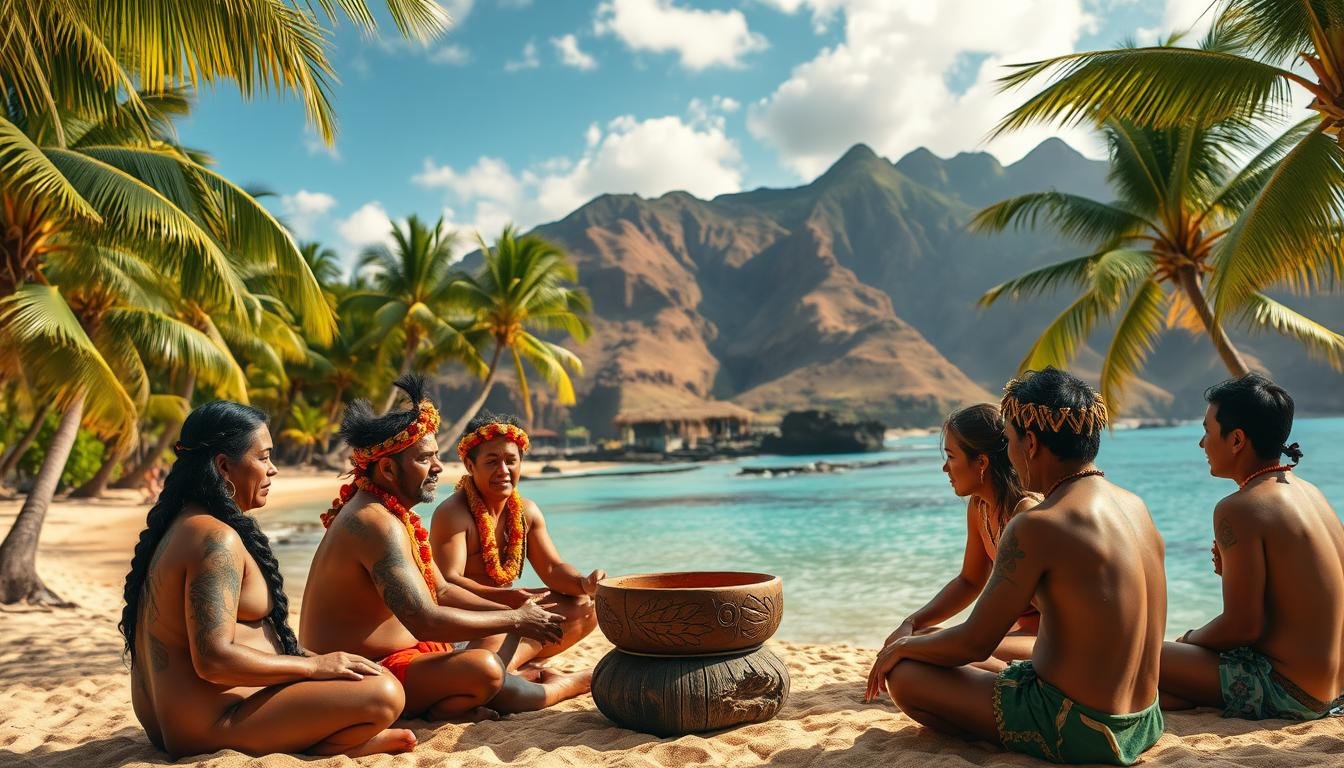
In the rich tapestry of Hawaiian culture, the term “Moke” holds a special significance. It embodies a particular stereotype or identity closely tied to the islands’ outrigger canoe culture.
The Moke is more than just a term; it represents a deep-rooted aspect of Hawaiian heritage. It reflects the history and cultural nuances of the islands. Understanding the moke meaning requires delving into the cultural context and historical background that have shaped this unique identity.
As a significant part of Hawaii culture slang, the Moke has become an integral element of the local vernacular. It symbolizes a connection to the land, the sea, and the community.
Key Takeaways
- The Moke is a significant figure in Hawaiian culture, closely associated with outrigger canoe culture.
- Understanding the Moke requires insight into Hawaiian history and cultural context.
- The term Moke is part of Hawaii culture slang, reflecting local identity and heritage.
- The Moke represents a deep connection to Hawaiian land, sea, and community.
- Exploring the Moke offers a window into the unique traditions and values of Hawaiian culture.
The Cultural Landscape of Hawaii
The Hawaiian Islands are known for their unique culture. This culture comes from many Pacific influences. It’s shaped by centuries of interactions between Native Hawaiians, Asians, Europeans, and Americans.
The Melting Pot of Pacific Cultures
Hawaii is a mix of many cultures. Native Hawaiian culture is at the base. But, influences from other Pacific Islands, Asia, and the West have added to its rich heritage.
This diversity shows in local food, festivals, and daily life. Hawaii is a great example of how different cultures can live together in harmony.
Language Evolution in the Hawaiian Islands
The Hawaiian pidgin language is a key part of Hawaii’s culture. It came about as a way for people from different backgrounds to talk. It’s used in everyday life and shows the islands’ history of blending cultures.
The pidgin language grew as people from all over came to Hawaii. They needed a common way to communicate. So, Hawaiian pidgin was born, mixing elements from various languages into something unique to the islands.
What Is a Moke in Hawaii: Definition and Origins
To understand what a ‘Moke’ is in Hawaii, we need to look at its roots and how it has changed. The term ‘Moke’ is a big part of Hawaiian slang. It shows the complex mix of cultures in the islands.
The word ‘Moke’ has many possible origins. Some say it comes from Hawaiian Pidgin English. This language developed as a way for people from different places to talk to each other in Hawaii.
Etymology of the Term “Moke”
The true start of ‘Moke’ is a bit of a mystery. But one idea is that it comes from the Hawaiian Pidgin word for ‘man’ or ‘boy,’ which became part of local slang.
The term’s growth is linked to Hawaii’s unique mix of cultures. The islands’ blend of Native Hawaiian, Asian, and American cultures has shaped their language and culture.
Historical Development of the Moke Identity
The word ‘Moke’ has been tied to stereotypes and cultural views in the past. Knowing these historical views helps us understand the term’s meaning today.
The Moke identity has changed over time, influenced by many factors. As Hawaiian society has grown more complex, so has the term ‘Moke’.
Looking at the Moke identity’s history helps us see its cultural importance. It shows how it reflects and shapes Hawaiian culture today.
Characteristics of the Moke Stereotype
The Moke stereotype is complex, blending physical traits, behaviors, and societal views. It defines a unique Hawaiian identity. The Moke is seen as rugged and laid-back, deeply rooted in Hawaiian culture.
Physical Appearance and Style
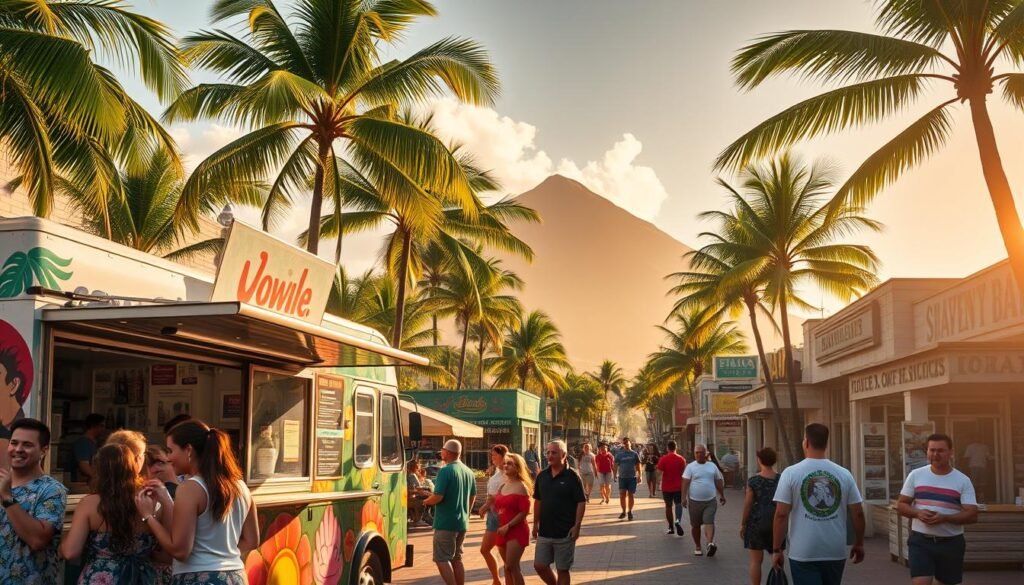
A Moke typically has a muscular build and a casual style. They wear floral shirts, board shorts, and flip-flops. These clothes reflect the relaxed Hawaiian lifestyle.
Behavioral Traits and Attitudes
Mokes are known for being laid-back and easy-going. They love the outdoors and enjoy surfing and beach volleyball. This attitude is key to the Moke identity, tied to Hawaiian values of aloha and ohana (family).
Social Perception and Representation
Views on Mokes vary in Hawaiian society. Some see them as a positive part of Hawaiian culture. Others think the Moke stereotype simplifies local identity too much. The table below shows key aspects of the Moke stereotype and their social impact.
| Characteristic | Description | Social Implication |
|---|---|---|
| Physical Appearance | Muscular build, casual island style | Seen as embodying a relaxed, outdoor lifestyle |
| Behavioral Traits | Laid-back, easy-going, love for outdoor activities | Perceived as friendly and approachable, but also potentially lazy or unambitious |
| Social Perception | Complex, multifaceted views on the Moke identity | Can be seen as a positive representation of Hawaiian culture or as a limiting stereotype |
Understanding the Moke stereotype needs a nuanced view. It’s important to consider cultural context and individual experiences. By looking at the different sides of this identity, we can better appreciate its role in Hawaiian culture and slang.
Hawaii Pidgin Language and Its Influence
In Hawaii, the pidgin language is more than just a way to talk. It’s a key part of local culture, including the Moke stereotype. This language, known as Hawaiian Pidgin English, came from different groups coming together.
Development of Hawaiian Pidgin
Hawaiian pidgin started because people needed a common language. This included Native Hawaiians, Americans, Europeans, and Asians. It made talking easier for trade, work, and socializing.
As time went on, Hawaiian pidgin grew into a full-fledged creole language. It has its own rules, words, and way of putting sentences together. Now, it’s used in many parts of Hawaiian life, from daily chats to school and business.
Key Pidgin Terms Related to Moke Culture
Many pidgin terms are tied to Moke culture. For example, the word “moke” is a key part of Hawaiian identity. Knowing these terms helps us understand Moke culture better.
Terms like “braddah” (brother), “sistah” (sister), and “da kine” (something or someone) show the importance of community in Moke culture. These words show the values of friendship and togetherness that are at the heart of Moke identity.
The impact of Hawaiian pidgin on Moke culture shows how language, identity, and culture mix in Hawaii. Looking at how pidgin shapes local culture helps us understand the Moke stereotype and its role in Hawaiian society.
Hawaiian Slang Terms: Beyond “Moke”
Hawaiian slang goes beyond the famous “Moke”. It’s a mix of Native Hawaiian, English, and other languages. This blend is key to the islands’ identity.
Common Local Expressions
Hawaiian slang is full of everyday words locals use. Some common ones are:
- Aloha – It’s more than a hello; it’s about love, kindness, and compassion.
- Braddah – A way to call a brother or a close male friend.
- Sister or Sistah – For a female friend or sibling.
These words are more than just language. They show Hawaii’s cultural values and history. For example, “Maluhia” means peace, showing the islands’ calm nature.
Regional Variations in Hawaiian Slang
Hawaiian slang varies by region, making it richer. Each island and part of an island has its own slang.
| Region | Slang Term | Meaning |
|---|---|---|
| Oahu | Grindz | Food or local cuisine |
| Maui | Pau Hana | After work or the time after finishing a task |
| Kauai | Hanohano | Excellent or of high quality |
Knowing these regional slang terms gives us a peek into Hawaii’s diverse cultures. Hawaiian slang is alive, changing with the islands’ culture and language.
The Evolution of Moke Culture in Modern Hawaii
Hawaii’s Moke culture is seeing a new wave, with younger folks redefining what it means to be a Moke today. This change is tied to Hawaii’s cultural shift, where old identities are being looked at in new ways.
From Stereotype to Cultural Identity
The term “Moke” used to carry negative meanings, but now it’s seen as a symbol of pride. This change shows how Hawaiian culture is moving forward, embracing its past in a positive light. The Moke identity stands for strength and unity.

Changing from a negative label to a symbol of pride isn’t easy. There are debates about what “Moke” truly means. Yet, for many, it’s a way to connect with their roots and feel part of a community.
Generational Changes in Moke Culture
Younger folks are making their mark on Moke culture. They mix modern ideas with their cultural heritage. This mix is seen in music, art, and language.
Hawaiian Pidgin and local slang are key in shaping Moke identity. Words like “braddah” and “sistah” show unity and friendship. They highlight the close-knit nature of Moke culture.
Media Representation and Popular Culture
The way Mokes are shown in media and pop culture shapes how we see them. Through movies, TV, and more, the Moke image has been both kept alive and questioned. This affects how both locals and outsiders view this part of Hawaiian culture.
Mokes in Film and Television
Many films and TV shows set in Hawaii feature Mokes. These characters can be seen as funny or as deep explorations of Moke identity. For example, some movies make Mokes out to be the fun ones, showing off their tough yet easy-going side. But other shows dive into the deeper sides of being a Moke, showing the cultural and social sides of this identity.
Some movies and shows really get into the local culture, using Hawaiian slang terms and Hawaii Pidgin language. This makes the characters feel more real and connected to their culture.
Music and Artistic Expressions
Music and art are big ways to show off the Moke identity. Local artists often use Moke culture in their work, celebrating Hawaiian identity. For instance, musicians might sing in Hawaii Pidgin language to reach their audience and share messages that matter to Mokes.
- Island reggae and Hawaiian hip-hop are music genres that show off Moke culture.
- Art like tattoos and street art often has Moke themes.
- These creative works show off Moke culture and help it grow.
Social Media and Digital Presence
Social media is key for showing and talking about Moke culture today. Online, people share their stories, discuss cultural topics, and celebrate their identity. Using Hawaiian slang terms and Hawaii Pidgin language online helps build a sense of community.
On social media, we see more diverse views of what it means to be a Moke in Hawaii. This diversity helps break down stereotypes and gives a clearer picture of Moke identity.
- Platforms like Instagram and Facebook have Hawaiian culture communities.
- Online forums talk about Moke identity, from heritage to current issues.
- The digital world helps more people understand and appreciate Moke culture.
Cultural Sensitivity and Appropriation Concerns
Hawaii’s unique culture is at risk of cultural appropriation. It’s key to grasp the local slang and practices. Terms like “Moke” are deeply tied to the island’s history and culture.
Insider vs. Outsider Usage
Knowing who uses Hawaiian slang is important. Locals get the full meaning of “Moke,” which can be different from outsiders. Using “Moke” without knowing its full context can be seen as insensitive, a local expert says.
Locals use slang with a deep understanding of its cultural and historical background. Outsiders might use it without respect or understanding, seen as appropriation.
Navigating Cultural Respect in Hawaii
To show respect in Hawaii, we must think carefully about using local slang and engaging with cultural practices. Here are some tips:
- Learn the history and cultural context of local terms.
- Think about the meaning and impact of your words.
- Engage with local communities and listen to their views.
By being respectful and informed, visitors and outsiders can help create a positive cultural exchange. Many locals appreciate when outsiders try to learn and use Hawaiian terms correctly.
“Cultural sensitivity is about being aware of the power dynamics at play when adopting cultural practices or terms from another community.”
In summary, cultural sensitivity and concerns about appropriation are big in Hawaii, with local slang like “Moke.” Understanding the difference between insider and outsider usage and being thoughtful about cultural respect helps create a more inclusive and respectful place.
Similar Cultural Identities Across the Pacific
The Moke identity is special in Hawaii but shares similarities with other Pacific Island cultures. These similarities come from shared historical and social factors. They help us understand the Pacific Islander experience better.
Comparable Terms in Other Island Cultures
In the Pacific, many cultures have their own slang terms. For example, in New Zealand, “Kiwi” means New Zealanders, just like “Moke” in Hawaii. In Fiji, “KaiViti” identifies indigenous Fijians.
These terms show pride and identity, reflecting each island’s culture, history, and society. Learning about them helps us see the diversity and richness of Pacific Island cultures.
Shared Experiences and Distinctions
Pacific Island cultures share some experiences, like the impact of colonialism. They also value community and tradition. But, each culture has its own history, language, and customs.
| Culture | Colloquial Term | Significance |
|---|---|---|
| Hawaiian | Moke | Reflects local identity and cultural heritage |
| New Zealand | Kiwi | National identity symbol |
| Fijian | KaiViti | Identifies indigenous Fijians |
The table shows some Pacific Island cultures’ terms and their meanings. It shows how these terms express identity and highlights each culture’s uniqueness.
In conclusion, the Moke identity is part of a larger Pacific Island cultural tapestry. Each culture has its own traits and shared experiences. Understanding these identities helps us appreciate and respect the Pacific’s diverse cultures.
Conclusion: The Significance of Moke Identity in Hawaiian Culture
The Moke identity is a key part of Hawaiian culture. It shows the islands’ rich history and diverse influences. We’ve looked at Moke culture from its start to its importance today.
The word “Moke” means something special in Hawaii. It’s about looks, behavior, and cultural views that are unique to the islands. To get what what is a moke in Hawaii means, you need to understand the local culture. This includes the Hawaiian Pidgin language and local slang.
Moke culture is also seen in media and popular culture. This has shaped how people see Mokes. But, we must be careful not to cross the line between appreciation and taking too much.
| Cultural Aspect | Description | Significance |
|---|---|---|
| Moke Identity | Blend of physical appearance and cultural attitudes | Represents unique Hawaiian cultural heritage |
| Hawaiian Pidgin | Language evolved from cultural exchange | Facilitates communication among diverse populations |
| Local Slang | Colloquial terms used in everyday conversation | Adds flavor to Hawaiian language and culture |
In conclusion, the Moke identity is a big part of Hawaiian culture slang and identity. By understanding and valuing this part of Hawaiian heritage, we can better appreciate the islands’ rich cultural diversity.
Sources
For more on the Moke identity and its role in Hawaiian culture, check out these sources.
- University of Hawaii – A key place for studying Hawaiian culture and history.
- Encyclopedia Britannica – Hawaii – Gives a broad view of Hawaiian history and culture.
- Hawaii Magazine – Publishes articles on local culture, like the growth of Hawaiian slang and the Moke identity.
- Omniglot – Hawaiian Pidgin – Shares details on the Hawaiian Pidgin language’s development and use.
These resources help you understand Hawaii’s rich cultural scene and the Moke’s place in it.
FAQ
What is a Moke in Hawaii?
In Hawaiian culture, a Moke is a local person. They are often linked to the outrigger canoe culture. The term has grown in meaning over time, deeply tied to the islands’ history and identity.
What is the origin of the term “Moke”?
The word “Moke” comes from complex Pacific cultures. Knowing its history helps us understand its cultural importance.
What are some common characteristics associated with the Moke stereotype?
The Moke stereotype includes physical looks, style, and behavior. These traits are seen and shown in Hawaiian society in many ways.
What is Hawaiian pidgin language, and how does it relate to Moke culture?
Hawaiian pidgin is a special way of talking that has grown in the islands. It shapes local culture, including Moke identity. It’s used to share many parts of Hawaiian life.
How has Moke culture evolved over time?
Moke culture has changed from a stereotype to a true cultural identity. Different ages see and live the Moke identity in their own ways.
How are Mokes represented in media and popular culture?
Mokes appear in movies, TV, music, and art. These shows shape how people see and think about the Moke identity.
What are some concerns surrounding cultural appropriation in Hawaii?
Cultural appropriation worries people in Hawaii, mainly about outsiders using cultural terms and practices. Knowing the difference between insider and outsider use is key to showing respect.
Are there similar cultural identities in other Pacific Island cultures?
Yes, other Pacific Island cultures have similar identities. They share experiences and differences. Knowing these helps us understand the Moke identity better.
Why is it essential to understand and respect the Moke identity?
It’s important to understand and respect the Moke identity to value this unique Hawaiian tradition. It needs a deep grasp of its history and cultural context.