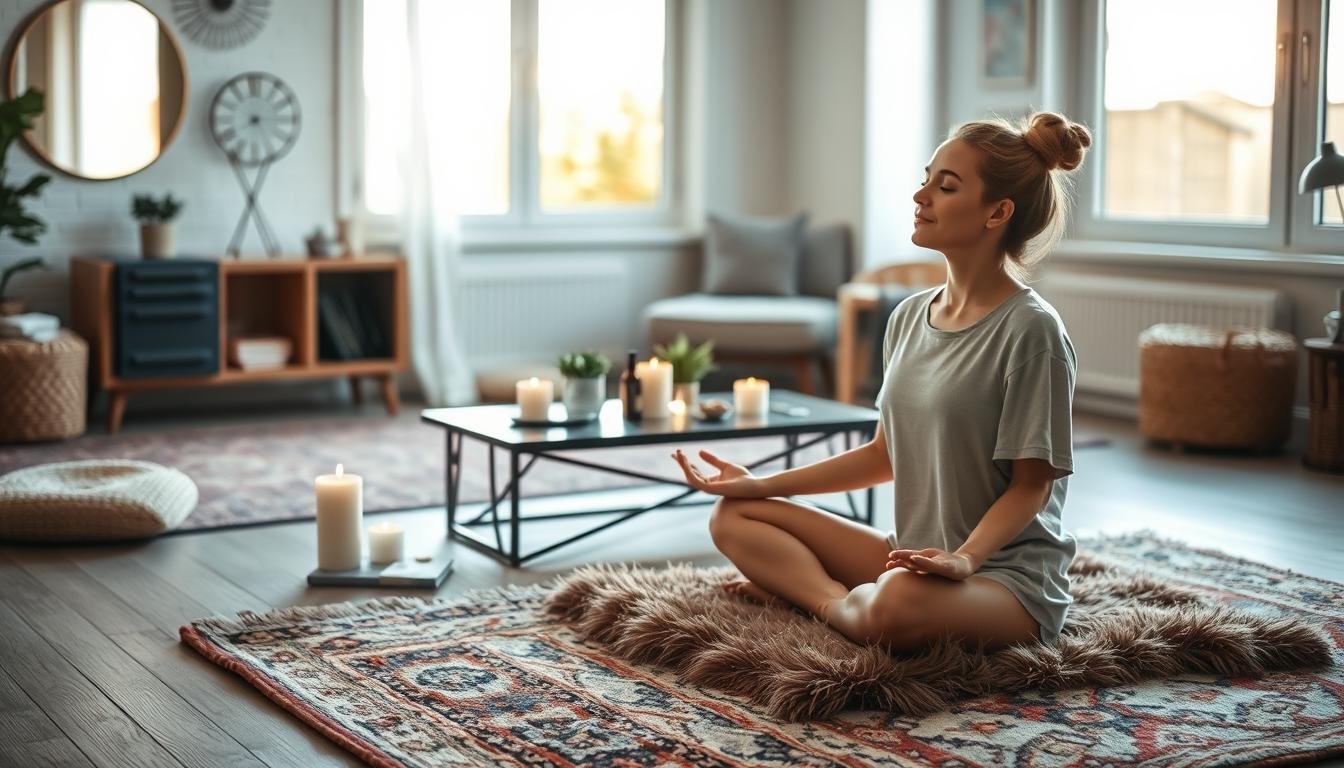
Did you know ignoring mental health can really hurt your overall well-being? In today’s fast world, it’s easy to forget the importance of self-care. But, taking care of yourself is key for a healthy mind and body.
Self-care includes many activities that help us feel better. These activities cover physical, emotional, mental, social, and spiritual areas. By adding these to our daily lives, we can greatly improve our quality of life.
Key Takeaways
- Prioritizing mental health is essential for overall well-being.
- Engaging in self-care activities can improve mental health.
- Self-care encompasses physical, emotional, mental, social, and spiritual aspects.
- Incorporating self-care into daily life can lead to a happier, healthier you.
- Neglecting self-care can have negative consequences on mental health.
What Self-Care Really Means in Today’s World
The idea of self-care has changed. It’s now about basic practices that care for our mind, body, and spirit. In today’s fast world, it’s easy to forget about ourselves. But, self-care is key for staying well.
Beyond Bubble Baths: Redefining Self-Care
Self-care includes many activities that help our health. It’s about choosing to take care of ourselves, like going for a walk or practicing mindfulness. This way, we see self-care as more than just relaxing.
Why Self-Care Isn’t Selfish: Debunking Common Myths
Many think self-care is selfish. But, taking care of ourselves helps us care for others better. By focusing on self-care, we manage stress better. This leads to stronger relationships and a positive impact on others.
Understanding self-care helps us add it to our daily lives. This leads to better well-being and a balanced life.
The Science-Backed Benefits of Self-Care
Self-care is backed by science, not just stories. Research shows it boosts both mental and physical health.
Practicing self-love and relaxation can lower stress and improve mood. Techniques like meditation and deep breathing reduce stress hormones, making us calmer.
How Self-Care Impacts Your Mental Health
Self-care is key for mental health. It helps manage stress, anxiety, and depression. It also improves how we handle tough situations.
- Reduces symptoms of anxiety and depression
- Improves mood and overall sense of well-being
- Enhances resilience to stress
Physical Health Benefits You Can’t Ignore
Self-care also boosts physical health. Activities like exercise, good sleep, and balanced diets are all self-care. Exercise, for example, improves both physical and mental health.
- Improves cardiovascular health
- Boosts immune function
- Enhances sleep quality
By using self-care, we can improve our health. Adding self-care to our daily lives boosts our well-being and quality of life.
How to Assess Your Personal Self-Care Needs
To take care of yourself, you need to check your current self-care habits. Understanding your emotional health and finding areas to improve is key.
Step1: Identify Your Self-Care Deficits
Looking at your self-care needs means being honest with yourself. Start by tracking your daily life and how it makes you feel. Ask if you’re sleeping well, eating right, and doing things that make you happy. Spotting where you need more self-care is the first step to a better plan. Use a journal or app to keep track and find patterns.
Step2: Create a Self-Care Assessment Plan
After finding what’s missing in your self-care, make a detailed plan. Set clear, reachable goals for your emotional health and habits. For example, if you’re not sleeping enough, aim for a regular bedtime routine. Focus on goals that are both important and doable to make a solid plan. Break big goals into smaller steps for steady progress.
Essential Self-Care Practices for Physical Well-being
Physical well-being is key to self-care, helping both your mind and body. Adding important self-care habits to your daily life can greatly improve your life quality.

Creating an Exercise Routine That Sticks
Having a regular exercise routine is vital for staying healthy. Begin by setting achievable goals and picking activities you like. It could be walking, jogging, or yoga. The most important thing is to find something you can stick with over time.
Consistency is more important than intensity, which is true for anyone starting out.
Nutrition Strategies for Energy and Health
Eating a balanced diet is key to keeping your energy up and staying healthy. Eat a variety of whole foods like fruits, veggies, whole grains, lean proteins, and healthy fats. Avoid processed and high-sugar foods as they can make you feel tired and harm your mental health.
Planning your meals and snacks ahead can help you make better choices.
Developing Healthy Sleep Habits
Good sleep habits are vital for both physical and mental health. Stick to a regular sleep schedule, even on weekends. Create a bedtime routine, like reading or a warm bath, to signal it’s time to sleep.
Avoid screens and stimulating activities before bedtime to get better sleep.
By adding these self-care habits to your daily routine, you can boost your physical health and mental well-being. Remember, becoming healthier and happier takes time, patience, and kindness to yourself.
Mindfulness and Mental Self-Care Techniques
Stress is a big part of our lives today. Mindfulness is a key tool for handling stress. It helps reduce anxiety and promotes calmness and self-awareness.
Daily Mindfulness Exercises for Beginners
Starting with simple mindfulness exercises can be easy. Mindful breathing is a basic technique. It involves focusing on your breath and letting go of thoughts.
Body scan meditation is another great exercise. You lie down or sit and focus on each part of your body, starting from your toes.
Doing these exercises daily, even for a few minutes, can help you feel calmer and less stressed.
Setting Boundaries to Protect Your Mental Space
Setting boundaries is key for your mental health. It means saying “no” to things that drain you and “yes” to things that nourish you. Having clear boundaries can reduce stress and improve your mental health.
Digital Detox: Breaking Free from Screen Addiction
Today, it’s easy to get hooked on screens. A digital detox means taking a break from devices. It helps you reset your relationship with technology and reduces stress from constant info and notifications.
By using mindfulness and self-care in your daily life, you can manage stress better and improve your mental health.
Emotional Self-Care Practices for Stress Management
Life’s challenges can be tough, but emotional self-care helps us relax and love ourselves more. It’s about managing stress by facing tough emotions, journaling, and having a supportive group around us.
Recognizing and Processing Difficult Emotions
The first step is to know and accept our emotions. It’s about feeling our feelings and not judging ourselves. Emotional awareness helps us deal with hard emotions and find the stress’s source.
Journaling Techniques for Emotional Release
Journaling is great for letting out emotions and thinking deeply. Writing down our thoughts helps us see things clearly. Morning pages or gratitude journaling can make us feel better and less stressed.
“Journaling is like whispering to one’s self, and listening at the same time.”
Building a Supportive Network Around You
Having people who support us is key to feeling good emotionally. This group can be friends, family, or experts who listen and help. Creating this network takes work, but it’s vital for our emotional health.
| Emotional Self-Care Practice | Benefits |
|---|---|
| Recognizing and Processing Emotions | Reduces stress, enhances emotional awareness |
| Journaling Techniques | Promotes self-reflection, clarity, and positivity |
| Building a Supportive Network | Provides emotional support, reduces feelings of isolation |
Adding these emotional self-care habits to our daily lives helps us handle stress better. It also helps us love ourselves more and feel relaxed.

Social Self-Care: Balancing Relationships and Solitude
Social self-care is about finding harmony between nurturing relationships and respecting personal space. In today’s fast-paced world, it’s easy to get caught up in social demands. This can lead to burnout or feelings of isolation. Striking a balance between social interactions and solitude is key for emotional well-being.
How to Set Healthy Social Boundaries
Setting healthy social boundaries is essential for protecting your time and energy. It means being clear about your needs and limits with others. This can feel uncomfortable but is ultimately liberating.
To achieve this, identify areas where you feel drained or resentful. Then, communicate your boundaries assertively. For example, you might decide not to check work emails during personal time or limit your social media use. This creates space for activities and relationships that truly nourish you, leading to healthier social habits.
Nurturing Meaningful Connections
Nurturing meaningful connections is about investing in relationships that support your well-being. It’s not about having a large social network. Instead, it’s about cultivating deep, meaningful interactions with others. Engage in activities that bring you joy and allow you to connect with like-minded individuals.
Regularly scheduling time with loved ones, participating in community activities, or joining clubs that align with your interests can help foster these connections. By prioritizing quality over quantity in your relationships, you can enhance your emotional well-being and build a supportive social network.
Spiritual Self-Care: Finding Purpose and Meaning
Spiritual self-care is about caring for your spirit. It helps you connect with your inner self and values. This leads to a more fulfilling life.
Practices to Connect with Your Inner Self
Connecting with your inner self is key in spiritual self-care. You can do this through:
- Meditation and mindfulness to calm your mind and stay present.
- Journaling to reflect on your thoughts and feelings, gaining insight.
- Spending time in nature to feel more grounded and connected.
Eckhart Tolle says, “The primary cause of unhappiness is never the situation but the thoughts about it. Be aware of your thoughts, but don’t be your thoughts.” This mindfulness is a powerful tool in your spiritual self-care.
Aligning Daily Actions with Your Core Values
Living a purposeful life means aligning your daily actions with your core values. Here’s how:
- Identify your core values and write them down.
- Check if your daily habits and activities match these values.
- Adjust your routine to reflect your core values.
By adding these spiritual self-care practices to your daily life, you can improve your well-being. You’ll live a life that truly reflects who you are.
Building a Sustainable Self-Care Routine
A sustainable self-care routine is key to feeling good. It’s not just about doing things now and then. It’s about making self-care a regular part of your life.
Design Your Personalized Self-Care Plan
To make a self-care routine that fits you, think about what you need and like. Find activities that relax and make you happy. Mindfulness practices like meditation and deep breathing are great for your mind.
Then, add things that make you smile and help you relax. This could be reading, journaling, or enjoying nature. The goal is to have a routine that covers all parts of your well-being.
Overcome Common Self-Care Obstacles
One big challenge is getting past obstacles like being too busy or feeling unmotivated. Start small and stick to it. Even a little bit of self-care each day can help.
As
“You can’t pour from an empty cup. Take care of yourself first.”
This saying shows how important self-care is, even when life is hectic.
Track Progress and Make Adjustments
It’s important to track how your self-care is going. Use a journal or a self-care app to see what works. This helps you understand your needs better.
Be ready to change your routine as needed. Your needs might shift, and your routine should too. Regularly checking in with your routine helps keep it effective for your mental health and mindfulness.
Conclusion: Making Self-Care a Lifelong Journey
To really get the most out of self-care, make it a regular part of your life. It’s not just a quick fix; it’s a long-term path. This path involves stress management and relaxation techniques every day. By doing this, you can feel better overall and handle life’s ups and downs better.
Good self-care means doing a few key things:
- Mindfulness and meditation to calm the mind
- Physical activity to boost mood and energy
- Healthy eating habits to nourish the body
- Adequate sleep to rejuvenate and refresh
By adding these habits to your routine, you can handle stress better. You’ll also feel more relaxed and happy. The secret to great self-care is sticking with it and being patient. As you keep going, self-care will become a vital part of your life, making you happier and healthier.
Sources
Looking for more on self-care and its benefits? Here are some great resources:
Check out the Mindful website for mindfulness exercises and stress management tips.
The Centers for Disease Control and Prevention (CDC) has lots of info on mental health and well-being.
For more on emotional self-care, visit Psychology Today for helpful resources.
FAQ
What is self-care, and why is it essential for mental health?
Self-care means taking care of your physical, emotional, and mental health. It’s key for mental health because it helps manage stress and promotes relaxation. It also helps you have a positive relationship with yourself.
Is self-care selfish?
No, self-care is not selfish. It’s about taking care of yourself to live a healthy life and be there for others. By focusing on self-care, you become more resilient and compassionate, ready to face life’s challenges.
What are some simple self-care practices I can start with?
Simple self-care includes relaxing baths, deep breathing, or short walks. Try journaling, meditation, or yoga to calm your mind and soothe your body.
How can I assess my personal self-care needs?
Start by finding areas where you feel drained or unfulfilled. Think about your daily habits, relationships, and activities that make you happy. Then, create a self-care plan that meets your specific needs and priorities.
What role does mindfulness play in self-care?
Mindfulness is a powerful tool for self-care. It means being present in the moment without judgment. Regular mindfulness practice can reduce stress, improve emotional regulation, and enhance well-being.
How can I make self-care a sustainable part of my routine?
Start by setting realistic goals and scheduling self-care into your planner. Be consistent, but don’t be too hard on yourself if you miss a day. As you get into it, self-care will become a natural part of your life.
Can self-care practices really improve my physical health?
Yes, self-care can greatly improve physical health. Regular exercise, healthy eating, and enough sleep can boost both physical and mental health.
How do I prioritize self-care when I’m busy or have a lot on my plate?
Making time for self-care when you’re busy is tough, but doable. Start with small acts like deep breathing or stretching. Schedule self-care in your planner like any other important task.
What are some emotional self-care practices I can try?
Emotional self-care includes journaling, practicing gratitude, and doing things that make you happy. Building a supportive network of friends, family, or a therapist can also help you cope with tough emotions.
How can I make self-care a lifelong journey?
To make self-care a lifelong journey, focus on growing, being patient with yourself, and embracing self-discovery. Keep exploring new self-care practices and adjust your routine as needed.