Nearly 6 million homes in the United States, built before the 1960s, have galvanized pipes. These were once a common choice for plumbing.
But, these pipes tend to corrode over time. This corrosion builds up, restricting water flow and can cause leaks.
Homeowners with older homes worry about the cost of galvanized pipe replacement. This is a big concern for keeping their plumbing systems working well.
Key Takeaways
- Galvanized pipes corrode over time, causing plumbing issues.
- The cost of replacement varies based on several factors.
- Average costs for galvanized pipe replacement can be substantial.
- Homeowners should consider the age and condition of their pipes.
- Professional assessment is key for accurate cost estimation.
- Replacing galvanized pipes can improve home value and safety.
Understanding Galvanized Pipes and Their Lifespan
Knowing about galvanized pipes is key for homeowners to keep their plumbing in good shape. These pipes have been used in homes for years but don’t last forever.
What Are Galvanized Pipes?
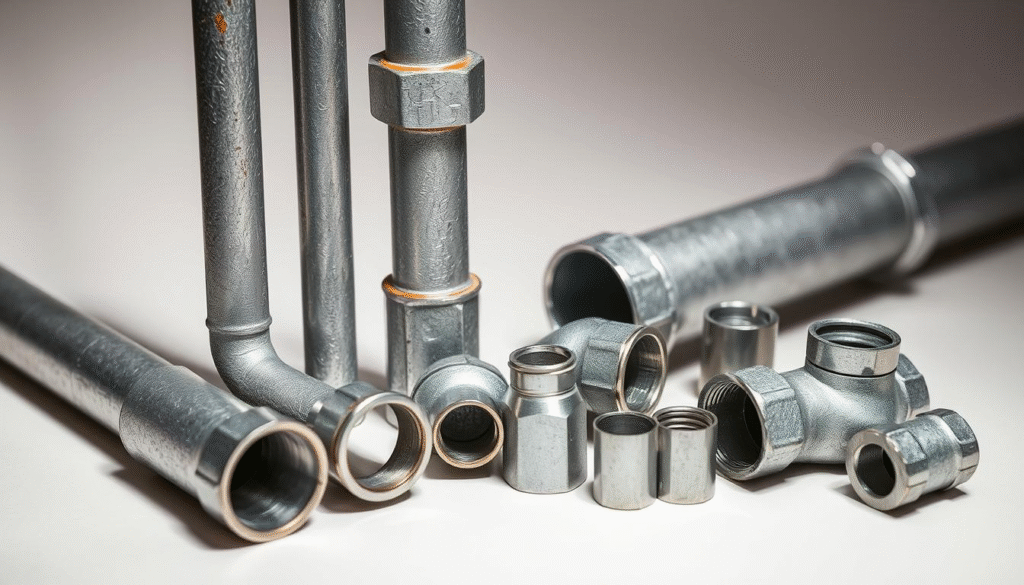
Galvanized pipes are steel pipes covered in zinc to stop rust and corrosion. The zinc layer protects the steel from water and oxygen damage. But, this layer can wear off, leaving the steel open to harm.
The Typical Lifespan of Galvanized Plumbing
The life of galvanized pipes varies, from 20 to 70-80 years. It depends on water quality, water pH, environment, and plumbing care. Good care can help pipes last longer, but they will eventually wear out.
Common Issues with Aging Galvanized Pipes
Old galvanized pipes often face corrosion, leaks, and lower water pressure. Corrosion can make water unsafe to drink. Leaks can cause water damage, leading to expensive fixes. Homeowners should watch for these signs to know if pipes need to be replaced.
Knowing about galvanized pipes helps estimate the cost to replace galvanized plumbing and plan for upkeep or replacement. Spotting aging signs early helps keep plumbing systems working well.
Signs Your Galvanized Pipes Need Replacement
Knowing when to replace your galvanized pipes is key to a safe and working plumbing system. Over time, these pipes can break down, causing problems that affect your daily life and harm your home.
Visible Corrosion and Rust
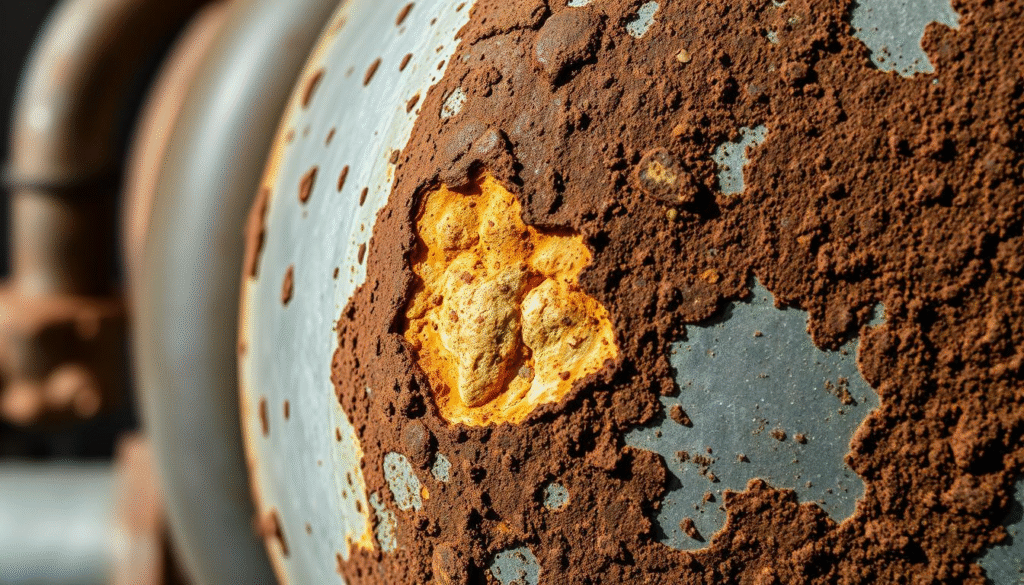
Visible corrosion and rust are clear signs your pipes need to be replaced. As galvanized pipes age, the zinc coating wears off. This exposes the steel to moisture and oxygen, speeding up rust. Rust on galvanized steel pipes often shows as leaks, clogs, or brown residue in water. Checking your pipes for rust regularly can help spot problems early.
Water Pressure and Flow Problems
Low water pressure or uneven water flow can mean your pipes need to be replaced. Corroded pipes can get clogged with rust and minerals, blocking water flow. This can make your plumbing less effective and increase your water bills. If you’re seeing low water pressure or uneven flow, it might be time for new pipes.
Discolored Water
Discolored water, like brown or yellow, means your pipes are corroding. Rust and sediment from corroded pipes can turn your water brown or yellow. This not only looks bad but can also be a sign of a bigger plumbing problem. If your water often looks discolored, get it checked by a pro.
Frequent Leaks and Water Damage
Frequent leaks and water damage are big signs your pipes are failing. Corroded pipes are more likely to crack and leak. Leaks can damage your home and lead to mold and other problems if not fixed fast. Replacing your pipes can stop these issues and keep your plumbing system working right.
How Much Is It to Replace Galvanized Pipes: Average Costs
Replacing galvanized pipes can be expensive for homeowners. The cost varies based on several factors. It’s important to understand these costs for budgeting and planning.
National Average Cost Range
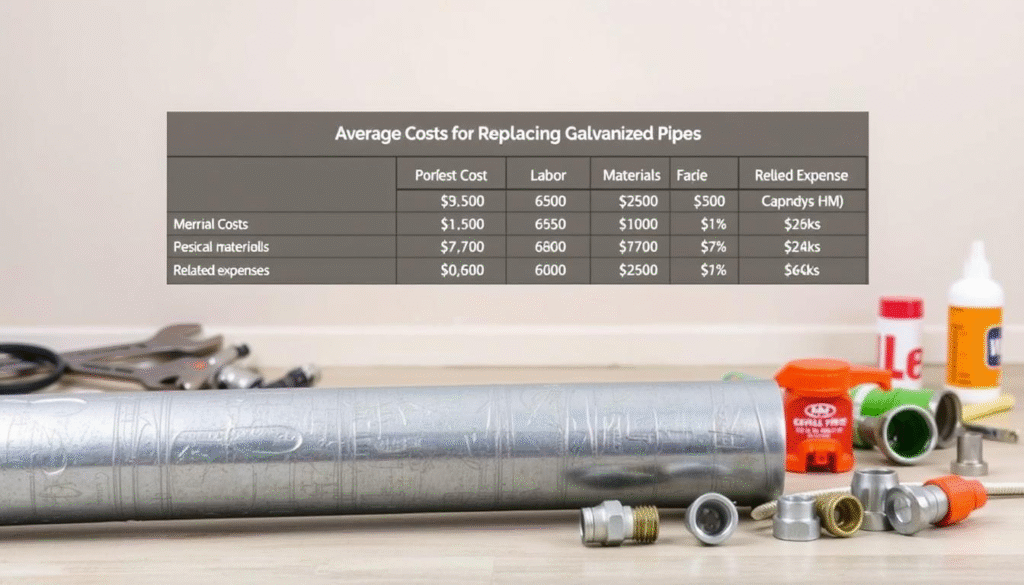
The national average to replace galvanized pipes is between $2,000 and $15,000. This range is due to factors like property size and replacement pipe type.
For an average house with 1 to 2-1/2 bathrooms, costs range from $1,500 to $15,000 or more. This is for a complete re-plumbing.
Cost Per Linear Foot
Estimating cost by linear foot is helpful. It shows the total cost based on pipe length.
- The cost per linear foot changes with the new pipe material.
- Labor costs and job complexity also affect the cost per linear foot.
Whole-House Replacement Costs
Replacing galvanized pipes for a whole house is a big job. Costs depend on house size and fixture number.
Key factors influencing whole-house replacement costs include:
- The total length of pipes to be replaced.
- The type of material used for the new pipes.
- Labor costs, which can vary by region.
Partial Replacement Costs
Homeowners might choose partial replacement if only some pipes are bad.
Partial replacement is cheaper but requires careful cost consideration.
- Identifying the sections of pipes that need replacement.
- Assessing the cost of materials and labor for the partial replacement.
Factors That Influence Galvanized Pipe Replacement Cost
Several critical factors impact the total cost of galvanized pipe replacement. It’s important to understand these elements.
Home Size and Layout
The size and layout of a home affect the cost of replacing galvanized pipes. Larger homes need more piping and labor, raising the cost.
Pipe Accessibility
The ease of accessing existing pipes is key. Pipes in basements or crawl spaces are cheaper to replace. Those in walls or under concrete are harder and more expensive.
Material Choices for New Pipes
The material for new pipes also matters. Options include copper, PEX, and PVC, each with different costs.
| Material | Cost Per Linear Foot | Durability |
| Copper | $5-$10 | High |
| PEX | $3-$7 | Medium to High |
| PVC | $2-$5 | Medium |
Regional Labor Costs
Labor costs vary by region, affecting the total cost. Urban areas often have higher labor costs than rural areas.
Permit Requirements
Permits can also increase the cost. Homeowners should check with their local building department. This will help factor in permit costs.
Breaking Down the Costs: Materials vs. Labor
Replacing galvanized pipes costs a lot. It’s split into materials and labor. Knowing these costs helps homeowners plan their budgets better.
Material Costs for Different Pipe Types
The type of material for new pipes affects the cost. Each material has its own benefits like durability and resistance to corrosion.
Copper Pipes
Copper pipes are durable and resist corrosion well. But, they cost more than other materials.
- Advantages: Long-lasting, resistant to corrosion, and can withstand high water pressure.
- Disadvantages: Higher cost compared to PVC or PEX pipes.
PEX Pipes
PEX pipes are flexible and resist freezing. They’re also easy to install.
- Advantages: Flexible, resistant to freezing, and easier to install than rigid pipes.
- Disadvantages: May not be suitable for outdoor use or high-temperature applications.
CPVC Pipes
CPVC pipes resist corrosion and high temperatures well.
- Advantages: Resistant to corrosion, can handle high temperatures, and is generally less expensive than copper.
- Disadvantages: May become brittle over time and prone to cracking.
Labor Costs and Time Estimates
Labor costs are a big part of the total cost. They depend on the job’s complexity, the plumber’s rates, and how long it takes.
- Factors influencing labor costs: Complexity of the job, plumber’s experience, and local labor rates.
- Average labor time: It can take a few hours for partial replacements or several days for whole-house replacements.
Additional Expenses to Consider
There are more costs to think about beyond materials and labor.
- Permit fees: Local regulations might require permit fees.
- Potential repairs: You might find other issues that need fixing during the replacement.
- Water service interruptions: You might need to arrange for alternative water during the replacement.
The Galvanized Pipe Replacement Process
Replacing galvanized pipes involves several steps. First, you need to inspect, plan, and then execute the replacement. Knowing this process helps homeowners get ready and ensures a smooth transition to new plumbing.
Initial Inspection and Assessment
The first step is a detailed inspection of your plumbing system. This checks for corrosion, leaks, and pipe condition. A professional plumber uses special tools to inspect and report on needed repairs or replacements.
A thorough inspection is key to understanding the project’s scope and avoiding surprises.
Creating a Replacement Plan
After the inspection, a replacement plan is made. This plan includes materials, timeline, and permits. It also considers your preferences and budget.
“A well-planned replacement process ensures that the new plumbing system meets the homeowner’s needs and is installed efficiently.” – Plumbing Expert
Obtaining Necessary Permits
Before starting, you need to get the right permits. This makes sure the work follows local codes. A professional plumber can help with permits and inspections.
| Permit Type | Description | Typical Cost |
| Plumbing Permit | Required for plumbing system replacements | $100-$500 |
| Inspection Fee | Fee for inspecting the new plumbing system | $50-$200 |
The Step-by-Step Replacement Process
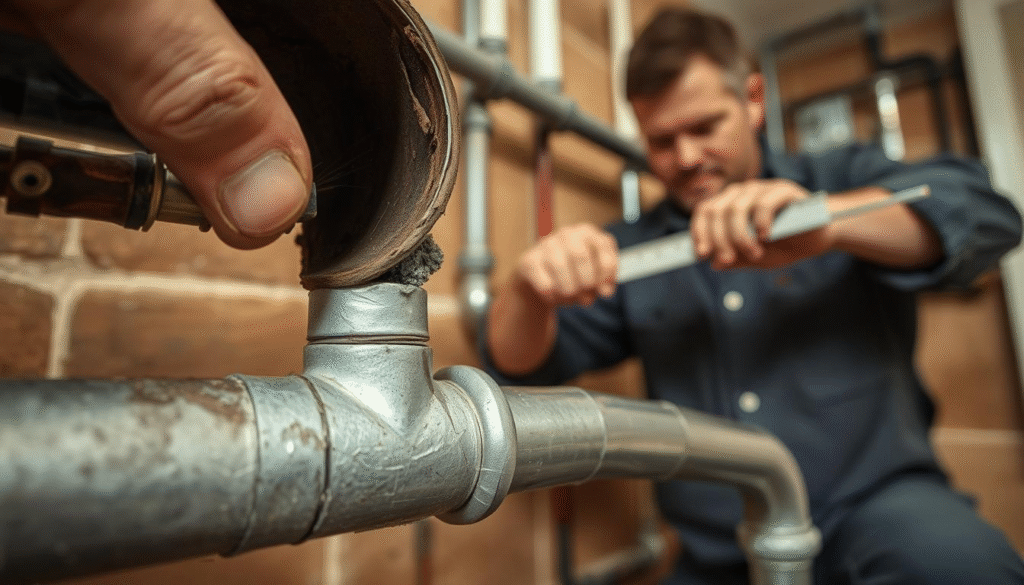
The replacement process includes shutting off the water, removing old pipes, and installing new ones. The plumber ensures the new system fits your needs.
Final Inspection and Testing
After finishing, a final check and test are done. This ensures the new system works right. It checks for leaks, water pressure, and system performance.
A thorough final inspection gives peace of mind, knowing your new plumbing is safe and reliable.
Timeline and Disruption Expectations
Knowing when galvanized pipe replacement will happen helps homeowners get ready. This process can be detailed and might disrupt your daily life.
Average Project Duration
The time it takes to replace galvanized pipes varies a lot. It depends on your home’s size, plumbing system complexity, and when you can get materials and workers. Usually, it takes a few days to a week or more.
Living Arrangements During Replacement
You might need to find a place to stay if the replacement is big. This is because workers will need to get into parts of your home where pipes are.
Water Service Interruptions
Be ready for possible water outages during the replacement. The plumber will tell you ahead of time if they plan to shut off your water.
Post-Replacement Cleanup and Restoration
After it’s done, the area will need cleaning and fixing. This includes fixing walls, painting, and replacing floors if needed.
Project Timeline Summary
| Project Phase | Typical Duration | Notes |
| Initial Inspection | 1-2 hours | Assessment of plumbing system |
| Replacement Process | 2-7 days | Depends on home size and complexity |
| Cleanup and Restoration | 1-3 days | Restoring areas affected by replacement |
Understanding the timeline and possible disruptions helps homeowners plan better. This makes the replacement process smoother for everyone.
Benefits of Replacing Galvanized Pipes
Switching from galvanized pipes can greatly improve a home’s plumbing. It’s not just about fixing problems. It’s also about making the water supply and plumbing system better and safer.
Improved Water Quality
Replacing galvanized pipes can make water cleaner. Over time, these pipes can rust, adding contaminants to the water. New materials like copper, PEX, or PVC ensure cleaner water for drinking, cooking, and bathing.
Increased Water Pressure
Galvanized pipes can lower water pressure due to mineral buildup and corrosion. Switching to modern materials can boost water pressure. This makes everyday tasks like showering and washing dishes easier.
Prevention of Future Leaks and Damage
Old galvanized pipes often leak or burst, causing water damage. Replacing them stops leaks and reduces the risk of expensive repairs and mold.
Increased Home Value
Replacing galvanized pipes can also raise a home’s value. Buyers often shy away from homes with outdated plumbing. Modern pipes make a home more appealing to buyers, if you decide to sell.
Health and Safety Advantages
Lastly, new pipes are safer and healthier. They remove the risk of contaminated water and reduce the chance of leaks and damage. This creates a safer home for families.
| Benefit | Description | Impact |
| Improved Water Quality | Cleaner water due to the removal of corroded pipes | Healthier water for consumption and use |
| Increased Water Pressure | Restored water pressure due to new pipes | More efficient daily water usage |
| Prevention of Leaks | Reduced risk of leaks and water damage | Less risk of costly repairs and mold growth |
| Increased Home Value | Modern plumbing system | More attractive to potentially buyers |
| Health and Safety | Safer water and reduced risk of water damage | Safer living environment |
Replacing galvanized pipes is a big investment in a home. It offers many benefits that improve the home’s quality, safety, and value.
Conclusion
Understanding galvanized pipe replacement estimates is key for good budgeting. Replacing these pipes is a big job. It requires looking at the cost, the process, and the benefits of new plumbing.
Homeowners need to think about the cost to replace galvanized plumbing. This cost changes based on home size, pipe location, and new pipe materials. Knowing these details helps homeowners make smart choices for their plumbing.
Replacing galvanized pipes has many benefits. It improves water quality and pressure. It also stops leaks and damage. Upgrading plumbing can also raise a home’s value and improve health and safety.
In summary, replacing galvanized pipes is a smart move for a home’s plumbing. With good planning and budgeting, homeowners can have a smooth and successful renovation.
Sources
For more information on replacing galvanized pipes and understanding the associated costs, refer to the following credible sources:
- Environmental Protection Agency (EPA)
- California Plumbing Contractors Association
- National Association of Certified Home Inspectors
These resources offer valuable insights into the process, costs, and benefits of replacing galvanized pipes with modern plumbing materials.
FAQ
What is the average cost to replace galvanized pipes?
The cost to replace galvanized pipes can range from $2,000 to $15,000. This depends on your home’s size and the type of pipes you choose.
How much does it cost to replace galvanized pipes per linear foot?
The cost per foot varies. It can be between $50 and $200, depending on the material and labor.
What factors influence the cost of replacing galvanized pipes?
Several factors affect the cost. These include your home’s size, how easy it is to access the pipes, the type of new pipes, and local labor costs. Also, whether you need a permit matters.
How long does it take to replace galvanized pipes?
The time it takes varies. It can be a few days or several weeks, depending on the job’s complexity.
What are the benefits of replacing galvanized pipes?
Replacing them improves water quality and pressure. It also prevents leaks and damage, increases your home’s value, and is safer for your health.
What are the signs that my galvanized pipes need replacement?
Look for corrosion, low water pressure, discolored water, and frequent leaks. These signs mean it’s time for new pipes.
Can I replace galvanized pipes partially?
Yes, you can replace some pipes. But, think about your plumbing’s overall condition. Partial replacement might not fix all problems.
What materials can be used to replace galvanized pipes?
You can use copper, PEX, or CPVC pipes. Each has its own benefits and drawbacks.
Do I need a permit to replace galvanized pipes?
Permit needs vary by area. Always check with local authorities to see if you need one.
How can I estimate the total cost of replacing galvanized pipes?
To estimate the cost, consider your home’s size, pipe access, material, labor, and permits. A professional plumber can give you a detailed quote.