
A staggering 80% of chronic diseases can be prevented with a healthy diet and lifestyle. This highlights the critical role of nutrition in overall wellness.
Maintaining optimal health is closely linked to the food we eat. A balanced diet rich in essential nutrients supports physical health and mental wellbeing. By understanding the basics of healthy eating, individuals can prevent chronic diseases and enhance their quality of life.
Key Takeaways
- A healthy diet is essential for preventing chronic diseases.
- Nutrition significantly impacts both physical and mental health.
- A balanced diet is vital for maintaining optimal wellness.
- Understanding healthy eating habits can improve overall quality of life.
- Making informed dietary choices is key for long-term health.
The Fundamentals of Nutrition
Nutrition is a fundamental aspect of our lives, influencing our energy levels, physical health, and mental clarity. It is the process by which our bodies utilize food to sustain life, support growth, and maintain health. A well-balanced diet is essential for providing the body with the necessary nutrients for optimal functioning.
What Is Nutrition and Why It Matters
Nutrition refers to the intake of food that provides the body with the necessary nutrients for optimal functioning. It matters because it directly impacts our overall health, influencing our risk of chronic diseases, energy levels, and mental well-being. Proper nutrition is essential for maintaining a healthy weight, supporting growth and development, and improving overall quality of life.
A healthy diet is characterized by a balance of various food groups, including fruits, vegetables, whole grains, lean proteins, and healthy fats. Healthy eating habits can help prevent chronic diseases, such as heart disease, diabetes, and certain cancers. By making informed food choices, individuals can significantly improve their overall health and well-being.
The Connection Between Nutrition and Overall Health
The connection between nutrition and overall health is profound. A diet lacking essential nutrients can lead to health problems, from fatigue and weakened immunity to more severe conditions like malnutrition and chronic diseases. On the other hand, a balanced diet can support optimal health, improving physical and mental performance.
Nutrition plays a critical role in maintaining healthy skin, hair, and nails, as well as supporting the body’s natural defense mechanisms. By prioritizing healthy eating, individuals can take a proactive approach to maintaining their overall health and reducing the risk of diet-related health issues.
Understanding Macronutrients
The three primary macronutrients – proteins, carbohydrates, and fats – play distinct yet vital roles in maintaining bodily functions and overall wellness. A balanced intake of these macronutrients is essential for providing the body with the necessary energy and building blocks for optimal function.
Proteins: The Building Blocks
Proteins are critical for the growth, repair, and maintenance of body tissues. They are composed of amino acids, some of which the body cannot produce on its own.
Recommended Daily Intake
The recommended daily intake of protein varies based on factors such as age, sex, weight, and activity level. Generally, the average adult requires about 0.8 grams of protein per kilogram of body weight per day.
Best Sources of Quality Protein
High-quality protein sources include lean meats, fish, eggs, dairy products, legumes, and nuts. Incorporating a variety of these sources can help ensure adequate protein intake.
Carbohydrates: Energy Sources
Carbohydrates serve as the body’s primary energy source. They come in two main forms: simple and complex.
Simple vs. Complex Carbohydrates
Simple carbohydrates, found in fruits and sugars, provide quick energy. Complex carbohydrates, found in whole grains and vegetables, offer sustained energy release.
Fiber and Its Benefits
Fiber, a type of complex carbohydrate, aids in digestion, satiety, and blood sugar control. A high-fiber diet is associated with reduced risks of heart disease and diabetes.
Fats: Essential Functions
Fats are vital for energy storage, brain function, and the absorption of certain vitamins. They are categorized into healthy and unhealthy fats.
Healthy vs. Unhealthy Fats
Healthy fats, such as unsaturated and omega-3 fatty acids found in avocados, nuts, and fish, support heart health. Unhealthy fats, including saturated and trans fats, can increase heart disease risk.
Incorporating Good Fats Into Your Diet
Including sources of healthy fats in one’s diet can be achieved by consuming fatty fish, using olive oil, and snacking on nuts and seeds.
| Macronutrient | Primary Function | Recommended Daily Intake |
|---|---|---|
| Proteins | Growth, Repair, Maintenance | 0.8 grams/kg body weight |
| Carbohydrates | Energy Source | 45-65% of total calories |
| Fats | Energy Storage, Brain Function | 20-35% of total calories |
The Role of Micronutrients in Nutrition
Micronutrients, including vitamins and minerals, are vital for numerous bodily functions. They are essential for maintaining optimal health and preventing chronic diseases. These nutrients play a critical role in energy production, immune function, and the maintenance of healthy cells and tissues.
Essential Vitamins
Vitamins are organic compounds needed in small amounts for various physiological functions. They are categorized into two main types: fat-soluble and water-soluble vitamins.
Fat-Soluble Vitamins
Fat-soluble vitamins, including vitamins A, D, E, and K, are critical for maintaining healthy vision, bone health, and the integrity of skin and mucous membranes. Vitamin A is essential for vision and immune function. Vitamin D plays a significant role in bone health by regulating calcium levels.
Water-Soluble Vitamins
Water-soluble vitamins, such as the B vitamins and Vitamin C, are important for energy production, nerve function, and heart health. Vitamin C is also a powerful antioxidant that protects cells from damage.
Crucial Minerals
Minerals are inorganic elements that are essential for various bodily functions, including nerve function, muscle contraction, and hydration.
Major Minerals
Major minerals, such as calcium, phosphorus, and magnesium, are needed in larger amounts. Calcium is vital for bone health. Magnesium is important for muscle and nerve function.
Trace Minerals
Trace minerals, including iron, zinc, and selenium, are required in smaller amounts but are equally essential. Iron is critical for the formation of hemoglobin, which carries oxygen in the blood.
| Micronutrient | Function | Food Sources |
|---|---|---|
| Vitamin A | Vision, immune function | Carrots, sweet potatoes, liver |
| Calcium | Bone health | Dairy products, leafy greens, fortified foods |
| Iron | Oxygen transport | Red meat, poultry, beans, fortified cereals |
In conclusion, micronutrients are indispensable for maintaining optimal health. A balanced diet that includes a variety of whole foods can provide adequate amounts of these essential nutrients.
Building a Balanced Diet
A balanced diet is essential for the body’s optimal functioning. It plays a key role in maintaining health and wellness. Knowing how to construct a balanced diet empowers individuals to make better nutritional choices.
The Plate Method: A Visual Guide
The Plate Method offers a straightforward way to visualize balanced meals. It divides your plate into sections: half for vegetables, one-quarter for protein, and one-quarter for carbohydrates. This approach ensures a variety of food groups are consumed in the right amounts. By adhering to the Plate Method, individuals can craft meals that fulfill their nutritional requirements.

Food Groups and Recommended Servings
Grasping the different food groups and their recommended servings is critical for a balanced diet. The primary groups include fruits, vegetables, proteins, whole grains, and healthy fats. Daily servings vary by age, sex, and activity level. For instance, adults are advised to consume 2-3 cups of vegetables daily.
Knowing the recommended servings aids in meal planning. It ensures individuals meet their nutritional needs effectively.
How to Read and Understand Nutrition Labels
Nutrition labels are a treasure trove of information on packaged foods. Begin by examining the serving size and the number of servings in the container. Next, focus on calories and nutrients like fats, sodium, and sugars. Pay attention to the % Daily Value (DV) for each nutrient, which shows the percentage of the daily recommended intake per serving.
Understanding nutrition labels empowers individuals to make informed food choices. This knowledge is vital for building a more balanced diet.
Meal Planning Strategies for Optimal Nutrition
Embracing a meal planning routine can greatly boost your nutritional intake and overall health. Effective meal planning requires several key strategies. These ensure you’re getting a balanced diet.
Step-by-Step Weekly Meal Prep
Weekly meal prep is a practical way to maintain a healthy diet. It involves planning meals for the week, creating a grocery list, and preparing meals in advance.
Creating a Balanced Meal Plan
To craft a balanced meal plan, consider your nutritional needs, dietary restrictions, and personal preferences. A balanced meal plan should include a variety of foods from different food groups.
- Include a source of protein in every meal
- Choose whole grains over refined grains
- Variety of colorful vegetables and fruits
- Healthy fats, such as nuts, seeds, and avocados
Batch Cooking Techniques
Batch cooking is an efficient method for preparing meals in advance. It involves cooking large quantities of a single ingredient or entire meals that can be reheated throughout the week.
Benefits of Batch Cooking:
- Saves time during the week
- Reduces food waste
- Ensures healthy meals are available
Smart Grocery Shopping Tips
Smart grocery shopping is essential for successful meal planning. It involves making a grocery list based on your meal plan and sticking to it.
| Tips | Benefits |
|---|---|
| Plan your meals around sales | Saves money |
| Buy in bulk | Reduces waste and saves money |
| Shop the perimeter of the store | Focuses on whole foods |
Quick and Nutritious Meal Ideas
Having quick and nutritious meal ideas can help you stay on track with your meal plan. Some examples include:
- Grilled chicken with roasted vegetables
- Salads with lean protein and healthy fats
- Whole grain pasta with marinara sauce and sautéed vegetables
Nutrition for Weight Management
Nutrition is vital for managing weight and maintaining health. A balanced diet gives the body essential nutrients, vitamins, and minerals. These support optimal function and aid in weight management.
Understanding Caloric Balance and Metabolism
Caloric balance is fundamental for weight management. It means consuming the right calories for bodily functions and activity while keeping a healthy weight. Metabolism, the calorie-burning process, is also key. A faster metabolism aids in losing and maintaining weight loss. Age, genetics, and muscle mass affect metabolic rate.
To achieve a healthy caloric balance, understanding the body’s calorie needs is critical. This includes calories for basic functions, activity, and other processes. Eating more calories than needed leads to weight gain, while eating less results in weight loss.
Sustainable Approaches to Weight Loss
Sustainable weight loss requires long-term lifestyle changes, not quick fixes. Adopting a balanced diet with fruits, vegetables, whole grains, lean proteins, and healthy fats is essential. Portion control and mindful eating are also vital. Regular physical activity supports weight loss and health.
- Eat a variety of nutrient-dense foods.
- Limit intake of processed and high-calorie foods.
- Stay hydrated by drinking plenty of water.
Strategies for Maintaining a Healthy Weight
Maintaining a healthy weight demands ongoing effort and commitment. Regularly monitoring weight and adjusting habits as needed is essential. Having a support system, whether friends, family, or a healthcare professional, is also important. Consistency and patience are critical for long-term success.
Effective strategies include setting realistic goals, keeping a food diary, and planning meals. Staying active through various activities not only burns calories but also enhances health and well-being.

Special Dietary Considerations
Special diets are key to maintaining health at all stages of life and with various health conditions. As we move through life, our nutritional needs evolve. It’s vital to understand and adjust to these changes.
Nutrition Across Life Stages
Nutritional needs change significantly from childhood to old age. Ensuring the right nutrient intake is essential for growth, development, and health maintenance.
Children and Adolescents
Children and adolescents need a diet rich in proteins, healthy fats, and complex carbs for growth. Calcium and vitamin D are critical for bone health.
Adults and Seniors
Adults need a balanced diet to keep energy levels up and health in check. Seniors, on the other hand, should focus on nutrient-dense foods. They require more vitamin B12 due to decreased caloric needs.
Pregnancy and Lactation
Pregnancy and lactation increase a woman’s nutritional needs. Folic acid and iron are essential to prevent birth defects and support the mother’s health.
| Life Stage | Nutritional Focus | Key Nutrients |
|---|---|---|
| Children and Adolescents | Growth and Development | Calcium, Vitamin D, Proteins |
| Adults | Maintaining Health | Balanced Macronutrients |
| Seniors | Nutrient-Dense Foods | Vitamin B12, Fiber |
| Pregnancy and Lactation | Supporting Mother and Child | Folic Acid, Iron, Calcium |
Dietary Approaches for Common Health Conditions
Some health conditions require specific dietary changes. For example, those with diabetes must manage carb intake. Individuals with hypertension should limit sodium.
Plant-Based and Other Alternative Diets
Plant-based diets, such as vegan and vegetarian, are gaining popularity. They offer health benefits if properly planned to include all necessary nutrients.
Nutrition Myths Debunked
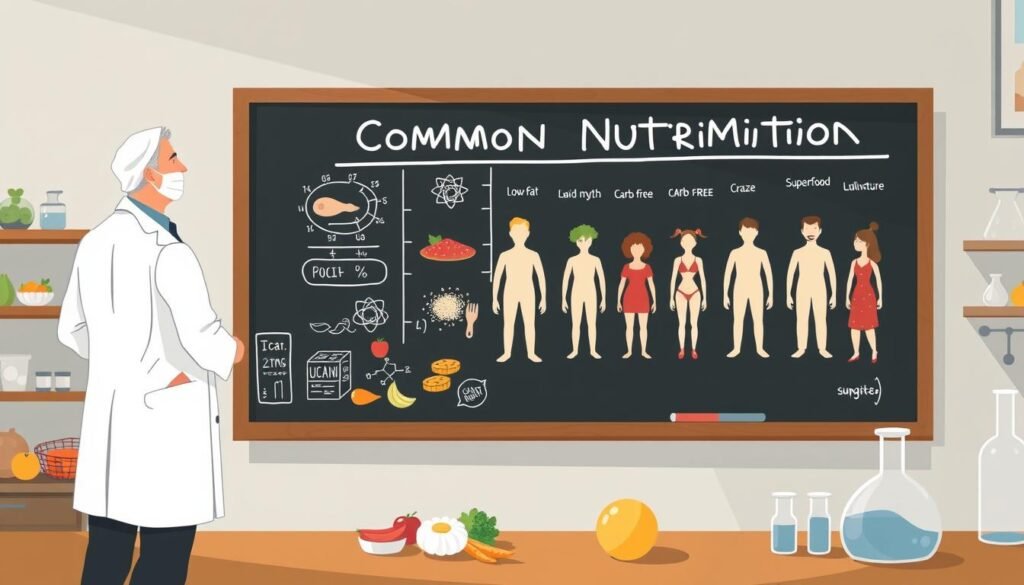
Nutrition myths can harm our health, making it essential to debunk them. With so much information out there, it’s easy to fall for misconceptions about healthy eating.
Common Misconceptions About Healthy Eating
Many think low-fat or fat-free foods are always better. But, these products often contain added sugars or artificial sweeteners, which are harmful. Another myth is that skipping meals helps with weight loss. Yet, this can slow down metabolism and lead to overeating later.
Evidence shows that a balanced diet with various whole foods is best for health. Eating whole grains, fruits, vegetables, lean proteins, and healthy fats can prove that a healthy diet isn’t restrictive or tasteless.
Evidence-Based Nutrition Facts
Studies link diets high in processed foods to obesity and heart disease. In contrast, whole food diets offer numerous health benefits, like reducing chronic disease risk. For example, fiber from fruits and vegetables helps control blood sugar and improves digestion.
Conclusion
Proper nutrition is the cornerstone of a healthy and balanced life. Understanding the basics of nutrition and its effects on wellness helps individuals make better dietary choices. A diet rich in essential nutrients is key to maintaining optimal health and fostering healthy eating habits. This guide has shown how nutrition is essential for health, and adopting healthy eating practices can greatly improve one’s life quality.
Sources
For further reading and to support the information presented in this guide, the following sources were consulted. These references provide additional insights into the world of nutrition and wellness.
Reliable sources such as the “Journal of Obesity and Metabolic Diseases,” “Psych Central,” and the “A-Z Guide to Nutrition” offer a wealth of information on nutrition and its impact on overall health. Exploring these sources can help deepen understanding of the topics discussed.
Some key references include studies and articles from reputable health and nutrition organizations. These can be found listed here: Journal of Obesity and Metabolic Diseases, Psych Central, and A-Z Guide to Nutrition. These sources provide evidence-based information to support healthy eating habits and nutrition planning.
FAQ
What is the importance of nutrition in maintaining overall health and wellness?
Nutrition is vital for overall health and wellness. It gives the body essential nutrients for proper functioning. It also helps prevent chronic diseases and supports both physical and mental health.
What are the different types of macronutrients and their importance?
The three main macronutrients are proteins, carbohydrates, and fats. Proteins are key for tissue repair and growth. Carbohydrates are our main energy source. Fats support heart health and also provide energy.
How can I build a balanced diet?
To build a balanced diet, use the plate method. Eat a variety of foods from different groups. Be mindful of serving sizes. Reading nutrition labels helps make informed choices.
What is the role of micronutrients in nutrition?
Micronutrients, like vitamins and minerals, are essential for health. They support energy production, immune function, and nerve function. They help prevent chronic diseases.
How can I plan meals for optimal nutrition?
For optimal nutrition, plan meals with a weekly prep. Use smart shopping tips and prepare quick, nutritious meals. This ensures a balanced diet and meets nutritional needs.
What is the connection between nutrition and weight management?
Nutrition is key for weight management. It provides necessary nutrients for a healthy weight. Understanding calories and metabolism is important. Adopting sustainable weight loss methods is also vital.
Are there special dietary considerations for different life stages or health conditions?
Yes, nutritional needs change with life stages and health conditions. Plant-based diets can be beneficial when planned well. Each diet has its own benefits for health and wellness.
What are some common nutrition myths and misconceptions?
Common nutrition myths can be debunked with evidence-based facts. This clarifies healthy eating. It supports informed decisions about nutrition and wellness.